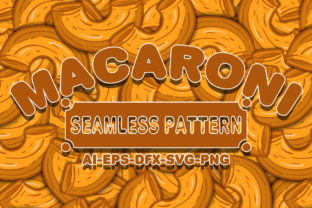
Seamless Patterns Macaroni Graphics
Practical Use in Design Projects
Logo Design: While not a standalone logo, these patterns can serve as background elements or accent graphics in logo designs. They work well with playful, handcrafted logos that aim to feel personal and authentic.
Brand Identity: The patterns can be integrated into brand identity systems as part of visual accents, website backgrounds, or social media templates. They help reinforce a cohesive brand feel without being too dominant.
Product Labels and Packaging: These patterns are excellent for product labels, especially for items like mugs, tote bags, or stationery. When used as decorative accents on packaging, they add a unique touch that aligns with the brand's creative direction.
Social Media Graphics: The versatility of Seamless Patterns Macaroni makes it a great choice for Instagram posts, Pinterest pins, and Canva templates. They can be scaled easily and layered with text or other visuals to create engaging content.
Where It Works Best
- Large Layout Areas: These patterns perform best in large layout areas such as hero images, banners, or website backgrounds where they can be seen clearly and make an impact.
- Product Mockups: When applied to product mockups, they enhance the visual appeal of items like t-shirts, stickers, or wall art, making them more attractive to potential buyers.
- Themed Collections: Ideal for creating themed collections, whether it's for a seasonal campaign or a line of printable products, these patterns offer a consistent and cohesive visual language.
- Printable Designs: The patterns are suitable for both digital and print use, making them a valuable asset for Etsy sellers, print-on-demand platforms, and small business owners looking to expand their product range.
Where to Use with Caution
- Small Sizes: At smaller sizes, the patterns may lose detail and clarity, which can affect readability and visual impact. Always test them at actual size before finalizing a design.
- Crowded Layouts: In layouts with many elements, the patterns can become distracting if not used carefully. Consider using them as subtle accents rather than dominant visual elements.
- Minimalist Branding: For projects that prioritize minimalism, these patterns might be too busy or colorful. They are better suited for brands that embrace a more playful and artistic approach.
- Professional Corporate Materials: Due to their playful nature, these patterns may not align with the tone of corporate or formal branding. They are more appropriate for creative markets and lifestyle-oriented brands.
Design Impact and Professional Considerations
Seamless Patterns Macaroni has the potential to significantly enhance the emotional appeal and audience engagement of a design project. By adding a layer of warmth and personality, they can help build a stronger connection between the brand and its audience. However, it's important to ensure that the patterns support the visual hierarchy and do not overshadow key design elements.
When used thoughtfully, these patterns can contribute to brand consistency and visual trust. They are particularly effective in creating a cohesive look across various marketing visuals, from social media posts to editorial designs. That said, designers should always consider the context and purpose of the project before incorporating these assets.
Designer Notes for Commercial Use
- Test in Black and White: Ensure the patterns maintain visual interest and clarity when converted to black and white.
- Check Contrast: Preview the design on both light and dark backgrounds to ensure readability and visual balance.
- Preview at Different Sizes: Test how the patterns look at both small and large scales to avoid scaling issues.
- Place on Real Mockups: Always apply the patterns to real product mockups or design concepts to see how they fit within the overall composition.
- Test Print Quality: If the design will be printed, check the resolution and file format to ensure high-quality output.
- Inspect PNG Transparency: If available, verify that the PNG files have proper transparency for layered designs.
- Check Vector Editability: If SVG files are included, confirm that they can be edited and customized as needed.
- Compare with Fonts: Test how the patterns interact with different font styles, including serif, sans-serif, script, and display fonts.
- Confirm Commercial Licensing: Always ensure that the asset has a commercial license before using it for client or business projects.