Mandala Art: A Versatile Graphic Design Asset for Illustrations
As a graphic designer with years of experience in branding, packaging, and digital design, I often find myself on the hunt for creative design assets that can elevate a project from good to exceptional. Recently, I came across Mandala Art, a circular lace ornament vector illustration that caught my eye immediately. The moment I saw it, I knew this could be a valuable addition to a variety of client projects—from handmade product packaging to social media visuals.
The Visual Mood and Style of Mandala Art
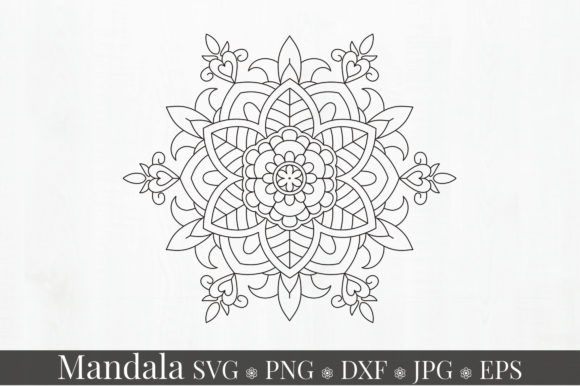
The first impression of Mandala Art is one of elegance and intricate detail. The circular pattern, inspired by traditional mandalas, brings a sense of symmetry, balance, and spiritual harmony to any design. This makes it particularly well-suited for projects that aim to evoke feelings of calm, creativity, or cultural richness. The lace-like ornamentation gives it an ornate yet delicate feel, which naturally fits into themes like floral, bohemian, or artisanal design.
As an illustration, it has a handcrafted look that complements both modern and vintage aesthetics. It’s not too busy, but it carries enough visual weight to serve as a focal point in many design situations. The white background ensures that it remains versatile and easy to integrate into different layouts without clashing.
Real-World Applications in Client Projects
In real design scenarios, Mandala Art proves to be a flexible graphic design asset. For example, imagine a small business owner launching a new line of handmade candles or bath products. Incorporating this mandala into their packaging design adds a touch of sophistication and uniqueness. It could be used as a decorative accent on labels, or even as part of a larger brand identity system.
This design works exceptionally well in large layout areas, such as hero graphics on websites, posters, or printable wall art. Its intricate details shine when given space to breathe. When used in product mockups, it enhances the visual appeal of items like mugs, tote bags, or stickers, making them more attractive to potential buyers.
For digital marketers, Mandala Art can be a powerful tool in creating engaging social media graphics. Whether it's for Instagram posts, Pinterest pins, or Canva templates, its ornate style adds visual interest and helps stand out in a crowded feed. It also pairs beautifully with handwritten fonts or script typography, adding a personal, artistic flair to content marketing efforts.
Where Mandala Art Works Best
Mandala Art excels in projects that benefit from decorative accents, thematic collections, or campaign visuals. It’s ideal for use in:
- Product mockups for Etsy shops or print-on-demand businesses
- Packaging design for boutique brands or handmade products
- Hero graphics on websites or landing pages
- Editorial design for blogs or magazines
- Printable designs for Cricut projects or sticker packs
- Social media graphics for Instagram, Pinterest, or Facebook
- Brand identity elements for small businesses or creative marketplaces
Its versatility extends to commercial design applications, where it can be used as part of a design bundle or incorporated into web design elements like headers, banners, or background patterns.
Where to Use with Caution
While Mandala Art is visually striking, there are certain contexts where it may not be the best fit. In small sizes, the intricate details might become lost or appear cluttered, especially if placed on crowded layouts or complex backgrounds. It’s also important to consider contrast—while it looks great on light backgrounds, it may require adjustments when used on dark tones to maintain readability and visual clarity.
Projects that prioritize minimalism or clean visual hierarchy may not benefit from the ornate nature of this illustration. It’s best suited for designs that embrace a more decorative or thematic approach rather than those that require strict professionalism or corporate branding.
Design Considerations Before Using Commercially
Before incorporating Mandala Art into a client project, I always test it in black and white to assess how well it translates without color. Checking its performance at various sizes is essential—whether it’s being used as a small icon or a large poster element. Previewing it on real mockups or printed materials helps ensure that the quality holds up, especially since the files include high-resolution PNGs (300 dpi) and scalable vector formats like SVG and EPS.
I also review the file formats included in the digital product. The availability of SVG, DXF, PNG, JPG, and EPS makes it suitable for a wide range of uses, from digital editing to sublimation printing. For Cricut users or crafters, the vector format ensures precision when cutting or tracing.
It’s crucial to confirm that the asset comes with a commercial license, especially if it’s intended for use in professional projects like logo design, t-shirt design, or merchandise. Without proper licensing, using it could lead to legal issues down the line.
Final Thoughts on Mandala Art
Overall, Mandala Art is a compelling graphic design asset that offers a unique blend of elegance and versatility. Whether you're designing for a handmade brand, a seasonal campaign, or a digital marketplace, this illustration can add a refined touch to your work. Its ability to enhance visual mood, support brand consistency, and create emotional appeal makes it a valuable tool in any designer’s toolkit.
If you're working on a project that calls for ornate, decorative, or culturally inspired visuals, I’d highly recommend giving Mandala Art a try. Just remember to test it thoroughly and ensure it aligns with your overall design goals before finalizing any client work.